"Training Kaisen" this is only the beginning.
From the Youth Service Corps privilege to taking responsibility for shortfalls and avoiding downtime in a continuous-process plant. A brief account of my experience while working as a graduate trainee on shift duty.

Ebenezer Afonja
After the first 13 months of on-the-job rotation, I had briefly worked in all the departments at the plant level, from technical to technical support and support units. The aim was to give me a bird’s-eye view of the business operations and to understand how my responsibilities affect the business. No department was spared: logistics of how our products get out to our customers, sales and marketing, Human asset management and Human resources, admin, shared services, mines, finance, internal audit, process and production, maintenance, inspection and planning, to name a few.
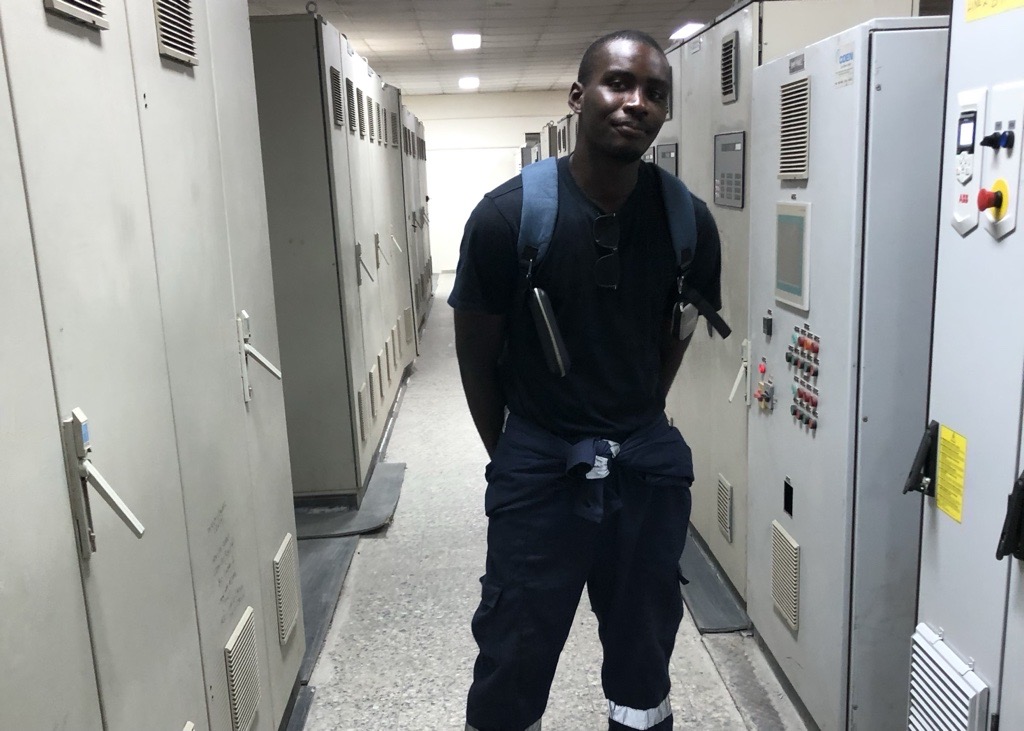
I was placed on shift duty as an instrumentation and automation engineer. At first, it was overwhelming. My team had to ensure that production never stopped due to sensor failures, actuator faults, or other problems related to my department. Downtime can be costly, and we try as much as possible to avoid it.
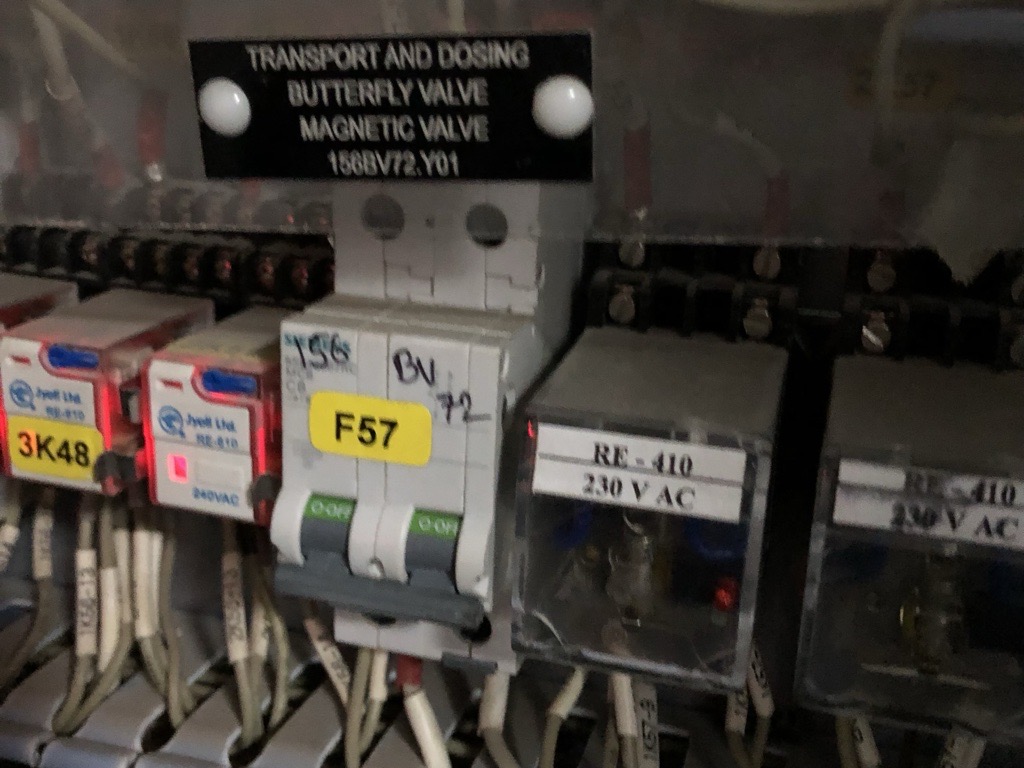
Equipped with troubleshooting techniques, such as tracing signal flow from field instruments to the right PLC using the instrumentation wiring diagram, continuity and resistance tests, among others. These served as a rule of thumb when investigating alarms and faults. While the root cause of some faults was painful to find, every experience was a lesson that increased my confidence.
I remember assisting the lead engineer on my first day shift in realigning a zero-speed sensor on the clinker feed belt and identifying three faulty limit switches in the kiln main drive braking system and two in the lubrication system.
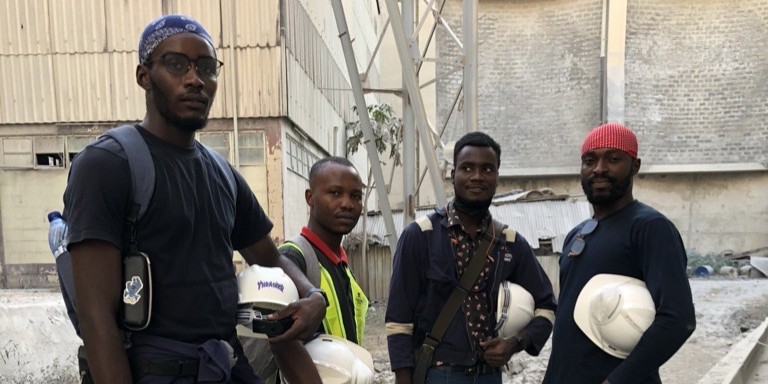
Now, different from my NYSC experience as an instrumentation engineer, there’s a tinnie tiny difference apart from the income: it’s accountability and expectations. There are consequences for failure, mishaps, and mistakes. I did make my fair share of mistakes It is a continuous learning process, after all; the problems won’t stop coming. It might change and demand a different approach, but improvement is continuous and inevitable; besides, this is only the beginning.